OLED Dopant Material: Blue TADF Dopant – Enhancing the Brilliance of Organic Light-Emitting Diodes
In the sophisticated realm of Organic Light-Emitting Diodes (OLEDs), blue dopant materials play a crucial role in achieving vibrant and efficient display technologies. These chemical compounds, that emit blue light (range around 430-480 nm) are integral in creating the deep, rich blue hues essential for high-quality OLED displays. Blue OLED dopants, particularly those used in Thermally Activated Delayed Fluorescence (TADF) devices, are at the forefront of the interests of the scientific community specializing in OLED innovations.
The Science of Blue Dopant Materials in OLEDs
Blue dopants in OLEDs are specialized organic compounds designed to precisely control the color and efficiency of emitted light. The importance of high purity and stability in these materials is paramount to ensure consistent color quality and longevity of the display.
Developing efficient blue TADF (Thermally Activated Delayed Fluorescence) materials is a pressing challenge despite significant research efforts. The high energy of emission and extensive device efficiency roll-off, particularly at high brightness levels, pose significant obstacles. Achieving optimal properties that compound should meet simultaneously to become an efficient blue TADF emitter is highly complex, often leading to trade-offs between different characteristics. For example rISC optimization by designing a D-A compound with a increased dihedral angle often results in a change in the emission color of the emitter.
For optimal performance, blue TADF materials must possess specific characteristics:
- High Photoluminescence quantum yield (PLQY), ensures efficient light emission, maximizing the utilization of excitons for luminescence
- Narrow full width at half maximum (FWHM), which enhances color purity,
- Wide energy gap between HOMO and LUMO orbitals, because minimize overlapping of the highest occupied molecular orbital (HOMO) and the lowest unoccupied molecular orbital (LUMO) in an emitter is crucial for achievieng small singlet-triplet energy gap (ΔEST)
- Small ΔEST between S1 and T1 states, facilitates efficient reverse intersystem crossing (RISC), essential for TADF,
- Fast reverse intersystem crossing (RISC) from Tx to Sx state, so that the smallest possible amount of generated excitons undergoes non-radiative transitions and can emit light,
- High horizontal dipole orientation in the film, because emitters oriented horizontally in the film enhance light out-coupling efficiency, crucial for achieving high device efficiencies.
These properties have a direct impact on the parameteres of OLED device such as EQE value, lifetime or color purity. To address these criteria, researchers have explored various strategies. The most widely used approach when designing potential emitters, taking into account the above parameters, are donor-acceptor structures. These are moieties with weak interactions such as highly twisted geometries, non-conjugated connections, through space charge transfer. Currently, a very popular trend in the scientific community is the design of multiresonant structures (MR-TADF) with rigid and symmetric molecular structures, for example, fully bridged boron compounds, particularly those with oxygen-containing acceptors.
Key Advantages of High-Quality Blue Dopants in OLEDs
- Vivid Color Quality: The use of blue dopants is paramount in achieving the deep, vivid blue tones essential for high-definition OLED displays. These materials enable a richer color palette, enhancing the overall visual experience.
- Energy Efficiency: TADF blue dopants stand out in their efficient utilization of excitons, which translates into lower power consumption in OLED devices. This efficiency not only contributes to the eco-friendliness of the technology but also leads to longer battery life in portable devices, making them more practical and user-friendly.
- Enhanced Device Performance: The high purity and quality of blue dopants directly impact the stability and lifespan of OLED screens. These materials reduce the degradation rate of the display, ensuring that OLED devices maintain their brightness and color accuracy over extended periods. This longevity is crucial for consumer satisfaction and the overall cost-effectiveness of OLED products, as it reduces the need for frequent replacements or repairs.
Industry Applications of Blue OLED Dopants
Blue OLED dopants are crucial in consumer electronics, prominently used in OLED TVs, smartphones, and other displays for their vivid color and efficiency. Their application in TADF devices enhances screen brightness and reduces power consumption. Additionally, these dopants are valuable in the lighting industry, contributing to advanced, energy-efficient lighting solutions. In automotive and advertising sectors, blue dopants improve display clarity and color depth, demonstrating their wide-ranging impact across various OLED applications.
In summary, while significant progress has been made in optimizing blue TADF emitters, challenges remain, particularly in achieving high efficiency and stability simultaneously. Continued research into novel materials and design strategies is essential for realizing the full potential of blue TADF OLEDs in various applications. In the innovative domain of Organic Light-Emitting Diodes (OLED), the role of blue dopant materials, especially blue TADF, is transformative. These blue OLED dopants, crucial in developing vibrant and high-quality OLED displays, are integral for achieving the distinct, deep blue hues that define advanced screen technologies. Particularly, the use of TADF blue dopants in OLEDs and TADF devices showcases a leap in efficiency and performance. These high-purity blue TADF emitters optimize both energy efficiency and color quality, highlighting their importance as blue dopant OLED components. Their ability to precisely control color and light efficiency, while ensuring enhanced device performance, sets a new standard in OLED technology, underscoring the significance of blue dopant materials in the evolution of next-generation OLED screens.
Blue Dopant OLED Materials by Noctiluca:
Noctiluca offers a range of high-quality blue dopant materials, each tailored to enhance the performance and aesthetics of OLED devices:
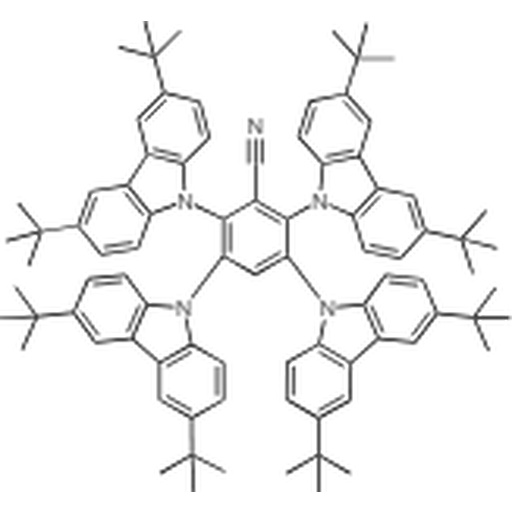
- TCzTRZ (1808158-40-8): TADF blue emitter, with exceptional thermal stability and efficient energy transfer for vibrant blue OLED applications.
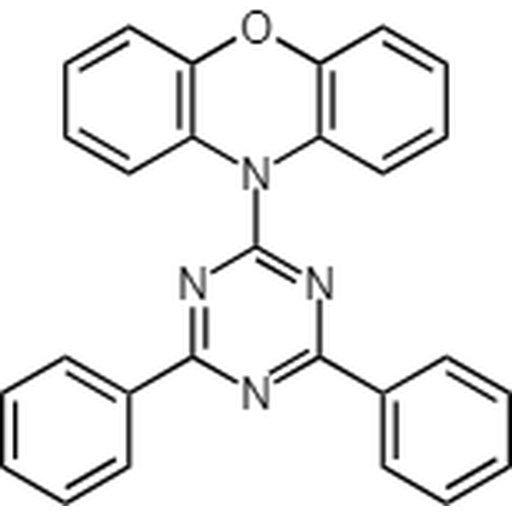
- Cab-Ph-TRZ (440354-93-8): Excels in creating deep blue hues with high luminance efficiency.
- DPAVBi (119586-44-6): Offers excellent color purity, widely used in blue dopant OLED manufacturing. This compound, when combined with some TADF emitters, can be used to achieve hyperfluorescence (4th generation TADF emitters for OLED).
- DCzTRZ (1106730-48-6): Valued for its luminance and stability in blue OLED displays. This compound, when combined with some TADF emitters, can be used to achieve hyperfluorescence (4th generation TADF emitters for OLED).
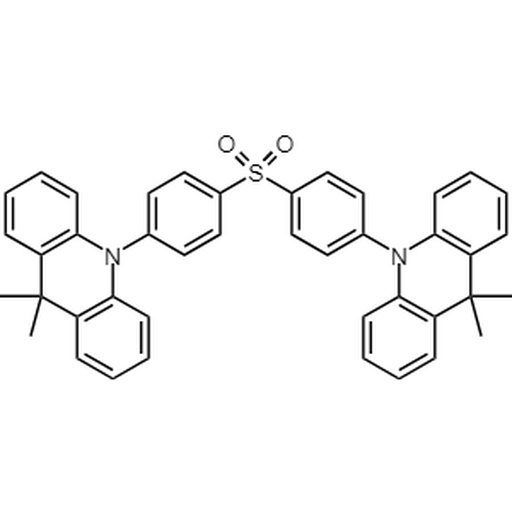
- ACRSA (1206626-95-0): Known as a green-blue TADF emitter.
- BDAVBi (523977-57-3): Noted for its unique properties in enhancing blue OLED efficiency. This compound, when combined with some TADF emitters, can be used to achieve hyperfluorescence (4th generation TADF emitters for OLED).
- …and many more. Explore our full list on our website.
Noctiluca’s range of blue dopant materials is just a part of our comprehensive offerings. Understanding the ever-evolving OLED materials market, we provide customized solutions tailored to the specific requirements of our clients. If you require a specialized blue dopant material for your OLED application, please contact us for dedicated assistance.
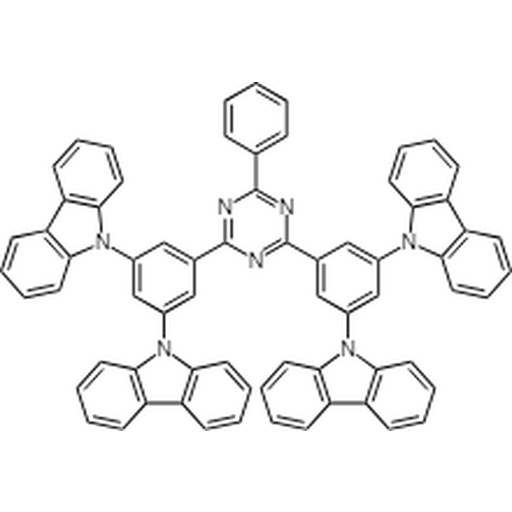
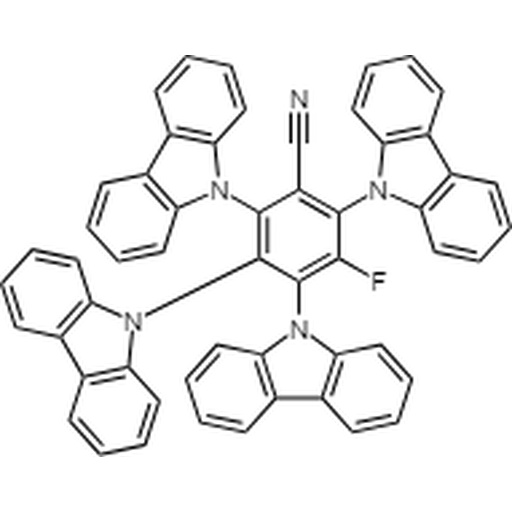
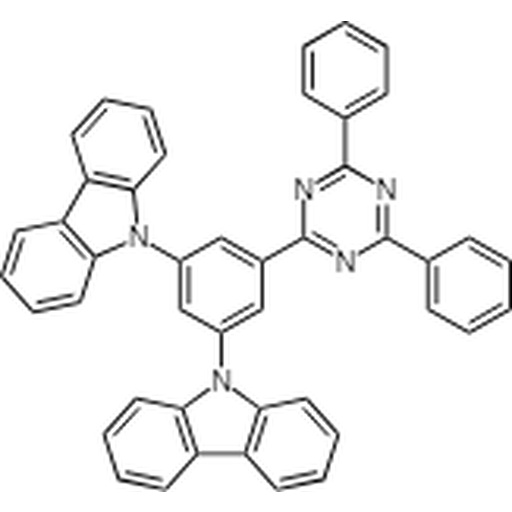
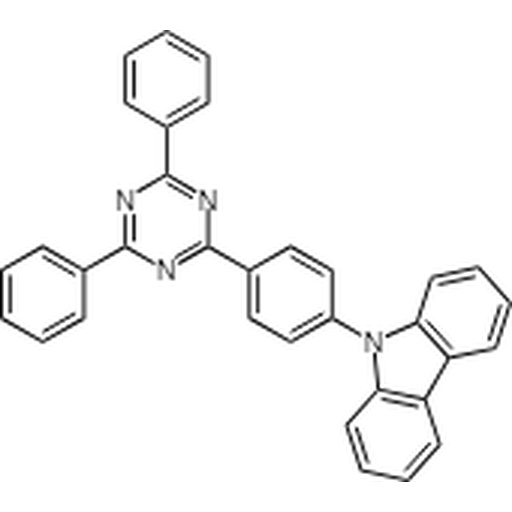
![Compound DPAVBi, 119586-44-6, 4,4′-Bis[4-(di-p-tolylamino)styryl]biphenyl](https://noctiluca.old.semidea.pl/wp-content/uploads/2023/02/DPAVBi.jpg)
![Compound ACRSA, 1206626-95-0, 10-Phenyl-10H,10′H-spiro[acridine-9,9′-anthracen]-10′-one](https://noctiluca.old.semidea.pl/wp-content/uploads/2023/02/ACRSA.jpg)
iridium(III)](https://noctiluca.old.semidea.pl/wp-content/uploads/2023/02/FK306.png)